In the heart of Australia’s bustling cities, a quiet revolution is unfolding. Historic buildings, once the backbone of urban landscapes, are being lovingly restored and reimagined as boutique hotels. These transformations not only preserve architectural legacies but also infuse them with contemporary luxury, offering guests a unique blend of the past and present.
Heritage Meets Hospitality
Australia’s rich tapestry of architectural styles – from Victorian and Edwardian to Art Deco – provides a fertile ground for adaptive reuse. Boutique hotels are at the forefront of this movement, breathing new life into structures that might otherwise face neglect or demolition.
Take, for instance, the Kimpton Margot Sydney, housed in the former Sydney Water Board building. This 1930s Art Deco masterpiece has been meticulously restored, retaining its ornate features while introducing modern amenities. Guests are treated to a visual feast of terrazzo floors, brass detailing, and grand columns, all echoing the building’s storied past.
The Allure of Mosaics
Among the various design elements that bridge the old and new, mosaics hold a special place. Their intricate patterns and timeless appeal make them ideal for heritage settings, adding depth and character to spaces.
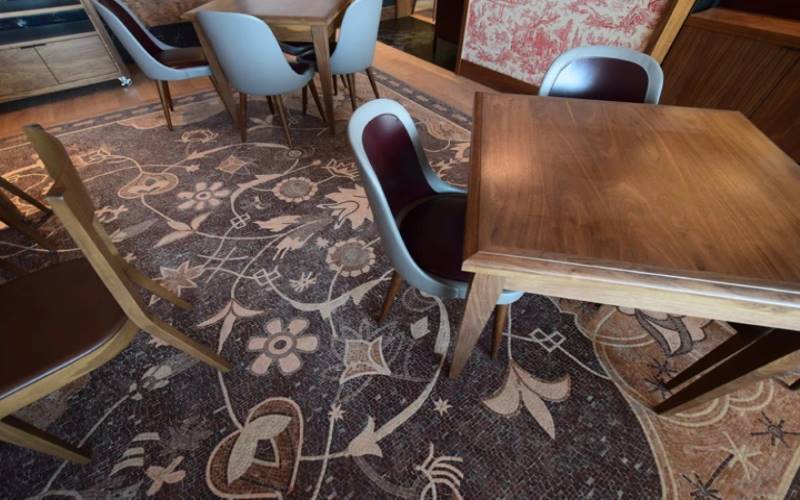
In Melbourne’s St Andrews Hotel, formerly the Pumphouse Hotel, mosaics play a pivotal role in the venue’s transformation. The M05 mosaic design graces the bar floor, infusing the space with luxury and sophistication while paying homage to its historical roots. 
Similarly, Sydney’s Marble Bar is a testament to the enduring charm of mosaics. Originally constructed in 1893, the bar features mosaic floors that complement its stained-glass windows and marble walls, creating an ambiance that’s both opulent and inviting.
Case Studies in Transformation
1- The Grand National Hotel, Sydney
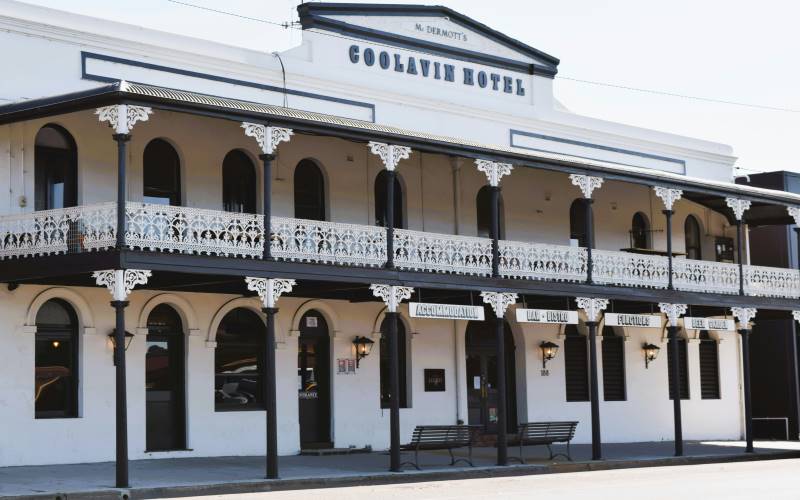
Located in Paddington, this heritage-listed former pub has been transformed into a boutique hotel under the guidance of renowned chef Josh Niland and his wife Julie. The renovation preserves the building’s Victorian architecture while introducing contemporary Australian design elements, such as natural tones and custom artisan features. The result is a harmonious blend of history and modernity.
2- Mosaic Hotel, Adelaide
Once part of the Football Park Stadium, the Mosaic Hotel has been reimagined as a light-filled bar and dining space. Studio Nine Architects led the transformation, incorporating exposed brick, tiled floors, and bright green benches to create a vibrant yet respectful nod to the building’s past
3- COMO The Treasury, Perth
Situated within Perth’s 19th-century State Buildings, COMO The Treasury exemplifies the seamless integration of heritage and contemporary design. Architect Kerry Hill’s vision preserved the buildings’ Victorian-era facades while introducing minimalist interiors that exude understated elegance .

Designing for the Future
The adaptive reuse of heritage buildings into boutique hotels is more than a design trend; it’s a sustainable approach to urban development. By repurposing existing structures, developers reduce the environmental impact associated with new constructions. Moreover, these projects often revitalize neighborhoods, attracting tourism and boosting local economies.
Incorporating elements like mosaics not only enhances aesthetic appeal but also fosters a sense of continuity. These design choices honor the craftsmanship of the past while providing contemporary comfort, creating spaces that resonate with guests on multiple levels