Commercial cleaning equipment is easy to overlook when it still appears to function. A pressure washer may start every morning, a floor sweeper may continue moving debris, and an aging scrubber may complete its usual route. From a distance, replacing these machines can seem unnecessary when the existing equipment has not completely failed.
The problem is that operating is not the same as operating efficiently. Older cleaning equipment often consumes more labor, water, fuel, electricity, replacement parts, and management time than businesses realize. These expenses rarely appear as one obvious line item. Instead, they accumulate gradually through longer cleaning shifts, inconsistent results, frequent repairs, missed areas, and interruptions that affect the wider operation.
Understanding these hidden costs helps facility managers evaluate equipment based on total performance rather than purchase price alone.
Longer Cleaning Times Increase Labor Costs
Labor is one of the largest expenses in commercial cleaning, which means even a modest decline in equipment productivity can have a significant financial impact. An older pressure washer that lacks sufficient heat or pressure may require several passes to remove grease, mud, or industrial buildup. A worn floor machine may cover less ground, struggle near edges, or force employees to repeat sections that should have been completed once.
Businesses dealing with demanding exterior cleaning tasks may find that equipment from https://hotsysouthtexas.com/ offers the power and service support needed to reduce time spent removing stubborn contamination. Matching pressure, temperature, water flow, and mobility to the actual application can help employees complete jobs faster without relying on excessive manual scrubbing.
The cost of outdated equipment therefore extends beyond the machine itself. Every additional hour spent cleaning is an hour that must be paid for, scheduled, and supervised. When delays happen repeatedly across a warehouse, fleet yard, manufacturing facility, or commercial property, the annual labor cost can far exceed the price difference between maintaining an old machine and upgrading to a more productive one.
Slow equipment can also create overtime. Cleaning teams may need to stay after normal shifts, while other employees wait for floors, vehicles, or production areas to become available again. These disruptions affect more than the cleaning budget.
Frequent Repairs Create Unpredictable Expenses
Older machines often require more maintenance as hoses, seals, pumps, batteries, motors, brushes, filters, and electrical components wear out. Individual repair bills may appear manageable, but the cumulative cost can become difficult to justify.
There is also a difference between planned maintenance and reactive repair. Routine servicing can be scheduled during quiet periods. Unexpected breakdowns tend to occur while the machine is in use, forcing managers to locate replacement equipment, reorganize staff, or postpone essential cleaning.
Parts availability may become another problem. Manufacturers eventually discontinue components for older models, while uncommon replacements can cost more and take longer to arrive. A machine that once needed a simple repair may remain unavailable for days because the correct part is no longer held locally.
Businesses should therefore track repair frequency rather than reviewing each invoice separately. A machine that requires repeated attention may be consuming more money than management realizes, particularly when technician visits, shipping fees, rentals, and employee downtime are included.
Poor Sweeping Performance Spreads Dust and Debris

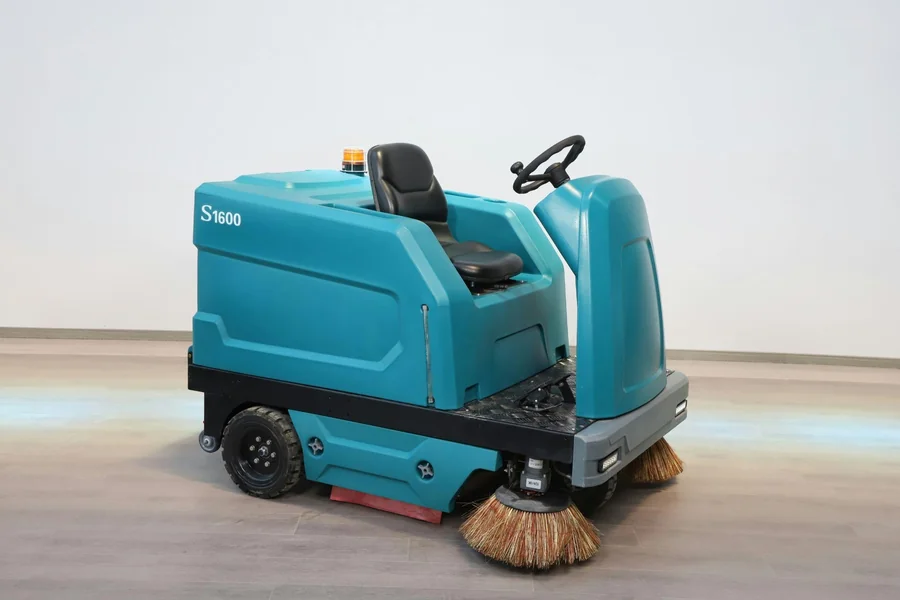
An outdated floor sweeper may continue collecting visible debris while allowing fine dust to escape back into the surrounding environment. Worn brushes, weak vacuum systems, damaged skirts, clogged filters, and inadequate dust control can leave facilities looking untidy shortly after cleaning.
Choosing the right machine matters because the top floor sweeper for a compact retail space will not necessarily be suitable for a large warehouse, parking structure, manufacturing plant, or outdoor yard. Cleaning width, hopper capacity, filtration, turning radius, surface type, and expected productivity all influence whether a sweeper can complete the work efficiently.
Poor debris collection also creates secondary costs. Dust may settle on products, shelving, machinery, vehicles, or ventilation components. Loose material can be tracked into clean areas, forcing employees to repeat work or spend additional time on detailed cleaning.
In some environments, inadequate sweeping may also contribute to slip hazards or interfere with equipment operation. Small fragments left on floors can damage wheels, create punctures, or become caught in machinery. What appears to be a minor cleaning issue can therefore affect maintenance, safety, and productivity across the facility.
Excessive Water, Fuel, and Energy Use Adds Up
Older cleaning equipment is not always designed around current efficiency expectations. Pressure washers may use more water than necessary, while inefficient burners consume additional fuel to achieve the required temperature. Aging battery systems may need frequent charging but deliver shorter run times, creating higher electricity use and repeated interruptions.
Water waste is particularly easy to underestimate. A small difference in gallons per minute becomes substantial when equipment operates for several hours each day. If poor cleaning performance also requires repeated passes, both water and labor consumption increase at the same time.
Fuel-powered machines introduce similar concerns. Poorly maintained engines and burners may consume more fuel while producing inconsistent performance. Electric machines with weakened batteries may lose power before a shift is complete, forcing workers to pause, recharge, or switch equipment.
Efficiency should therefore be evaluated across the entire cleaning cycle. A newer machine may carry a higher initial price, but lower resource consumption and faster completion times can reduce operating expenses over its useful life.
Inconsistent Results Can Damage a Business
Cleaning quality influences how customers, employees, tenants, and business partners perceive a facility. Dirty entrances, stained exterior surfaces, dusty warehouse floors, and poorly maintained equipment can suggest that broader operational standards are equally inconsistent.
In customer-facing environments, appearance directly affects trust. In industrial settings, inadequate cleaning may interfere with inspections, maintenance routines, or safe movement around the facility. Employees may also become frustrated when they are expected to produce professional results using equipment that no longer performs reliably.
Managers sometimes compensate by increasing chemical use or asking workers to apply more physical effort. Neither approach solves the underlying equipment problem. Excessive detergent raises supply costs and may leave residue, while repeated manual scrubbing increases fatigue and the chance of injury.
A better assessment considers productivity, repair history, resource use, cleaning quality, and downtime together. Equipment should not remain in service simply because it has not stopped running completely. Once a machine regularly creates additional labor, inconsistent results, or operational delays, its true cost may already be higher than the cost of replacement.