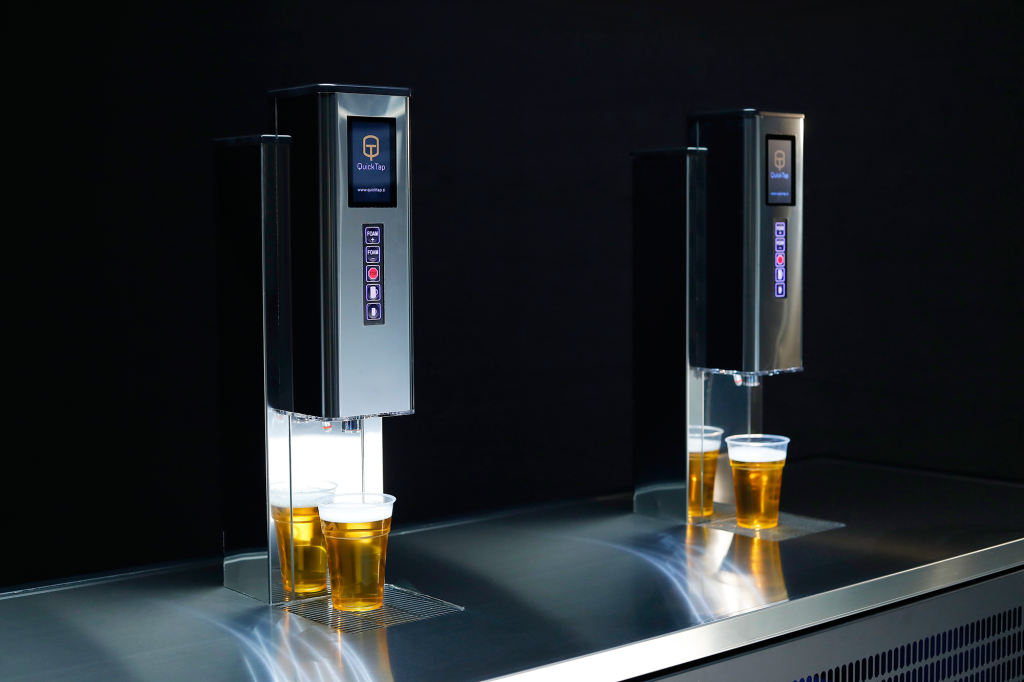
Beer tap systems revolutionise beverage service through precise control mechanisms that deliver consistent quality, optimal temperature, and proper carbonation levels with every pour. These sophisticated systems eliminate the guesswork in manual beverage preparation while ensuring each customer receives a perfectly crafted drink. Modern tap systems integrate multiple technologies to maintain beverage integrity from keg to glass. Professional Beer Tap installations transform beverage service efficiency by automating critical drink preparation aspects that traditionally require extensive staff training and constant monitoring. These systems maintain consistent pressure levels, temperature control, and flow rates that produce uniform results regardless of operator experience or environmental conditions affecting the service area.
Flow control mastery
Advanced tap systems incorporate precision flow control mechanisms that remarkably accurately regulate beverage velocity and volume. These controls prevent excessive foam formation while ensuring complete glass filling without waste or spillage. The consistent flow rate also reduces serving time per drink, allowing service staff to handle higher customer volumes during peak periods. Pressure regulation systems maintain optimal CO2 levels throughout the distribution network, preventing flat beverages or over-carbonated pours that compromise taste quality. The automated pressure monitoring adjusts for temperature fluctuations and consumption patterns, ensuring every glass receives a properly carbonated beverage regardless of environmental conditions or service volume demands.
Temperature maintenance excellence
- Glycol cooling systems maintain precise temperature control throughout extended distribution lines from storage to tap
- Insulated line networks prevent temperature fluctuations that could affect beverage quality during transport
- Thermostat monitoring provides real-time feedback on cooling system performance and efficiency
- Energy-efficient cooling units reduce operational costs while maintaining consistent beverage temperatures
- Remote temperature monitoring allows staff to track system performance without manual checking requirements
- Backup cooling systems ensure service continuity during equipment maintenance or unexpected cooling failures
Foam reduction techniques
Sophisticated tap systems minimise foam production through scientifically engineered pouring mechanisms that control turbulence and pressure release during dispensing. These systems calculate optimal pouring angles and flow rates that produce perfect head formation while maximising liquid volume in each serving. Reducing foam waste directly translates to improved profit margins and customer satisfaction. Advanced nozzle designs incorporate laminar flow technology that eliminates the chaotic mixing patterns responsible for excessive foam generation. These precision-engineered components maintain a smooth beverage flow that preserves carbonation while creating the ideal head thickness that enhances flavour release and visual presentation. The consistent results eliminate customer complaints about poor pours or inadequate serving sizes.
Service speed enhancement
Modern tap systems dramatically reduce per-drink preparation time through streamlined dispensing processes that eliminate multiple manual steps. Automated portion control ensures consistent serving sizes while reducing the skill requirements for new staff members. These efficiency improvements allow establishments to serve more customers with existing staff levels while maintaining quality standards. The reliability of automated systems also reduces service interruptions caused by equipment failures or operator errors. The predictive maintenance feature identifies potential problems early, allowing proactive repairs during off-peak hours. This reliability ensures consistent beverage availability during high-demand periods when equipment failures would otherwise result in lost revenue and customer dissatisfaction. Professional tap system installations represent essential infrastructure investments for any establishment serious about beverage quality and service efficiency.