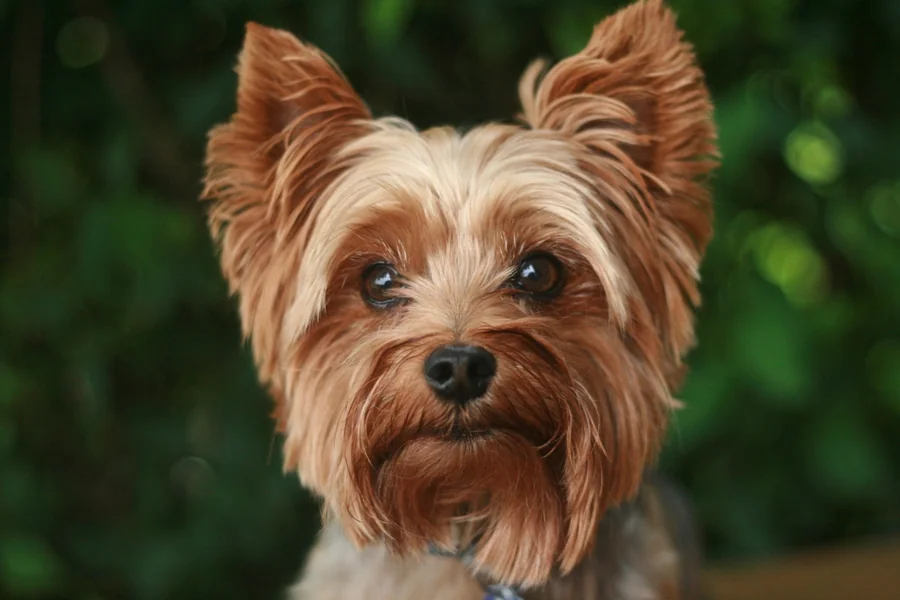
Yorkshire Terriers present unique travel challenges due to their compact size, delicate bone structure, and specific temperament needs during transportation. These toy breed dogs require specialized accommodations that differ dramatically from larger breed travel requirements. Temperature sensitivity makes climate control crucial during any journey, while their small stature demands extra security measures to prevent injury or escape. Many families who recently brought home Yorkie Puppies For Sale discover that vacation planning requires new considerations compared to travelling with larger dogs. The breed’s combination of courage and fragility creates a paradox where these fearless companions need extensive protection during travel adventures.
Size-specific travel gear
Yorkshire Terriers demand appropriately sized carriers that provide adequate ventilation while maintaining structural integrity during transportation. Standard dog crates often prove too large for these tiny companions, creating unnecessary space that allows excessive movement during vehicle motion. Soft-sided carriers for toy breeds offer flexibility while ensuring proper sizing for airline regulations and car safety requirements. Securing carriers within vehicles requires specialized anchoring systems that accommodate smaller carrier dimensions. Standard seatbelt attachments may not align properly with compact carriers, necessitating aftermarket solutions or adjustable strapping systems.
The goal remains to prevent carrier movement while maintaining easy access to monitor the dog’s condition throughout the journey. Climate control accessories become essential equipment rather than luxury items for Yorkshire Terrier travel. Cooling mats help regulate body temperature during warm weather travel, while heated pads provide warmth during cold climate journeys. These temperature management tools prove particularly important during extended travel periods where ambient temperature control may be inconsistent.
Hotel accommodations
- Research pet-friendly hotels that specifically welcome small breeds without size restrictions
- Verify floor-level preferences to minimize elevator dependency for frequent outdoor breaks
- Confirm noise policies that account for potential barking from separation anxiety
- Investigate cleaning fees and deposit requirements that vary between establishments
- Check room furnishing heights that might pose jumping hazards for small dogs
- Ensure adequate climate control options for temperature-sensitive breeds
These accommodation factors become particularly important for Yorkshire Terriers, whose small size can create unique challenges in unfamiliar environments. Standard pet-friendly policies may not account for the specific needs of toy breeds.
Activity planning
- Select walking routes with appropriate terrain that accommodates short legs and limited endurance
- Plan frequent rest stops to prevent overexertion and allow for temperature regulation
- Choose activities that minimize exposure to larger dogs that might inadvertently cause injury
- Consider indoor alternatives during extreme weather conditions
- Research local leash laws and size-specific rules that might affect travel plans
- Identify dog-friendly establishments that welcome small breeds without discrimination
Activity planning requires balancing the Yorkshire Terrier’s enthusiastic personality with their physical limitations and safety requirements.
Return journey preparation
The return journey often presents challenges as Yorkshire Terriers may have developed new anxieties or attachments during travel. Maintaining familiar routines during the return trip helps ease the transition to everyday life. Some dogs experience reverse travel anxiety when leaving enjoyable vacation destinations. Planning for these requirements prevents last-minute complications, extending travel or creating additional expenses. Monitoring for travel-related health issues becomes crucial during return journeys as delayed reactions to stress or environmental changes may not manifest until several days after initial travel. Maintaining communication with regular veterinary care providers ensures continuity of health monitoring throughout the travel period and immediate post-travel adjustment.