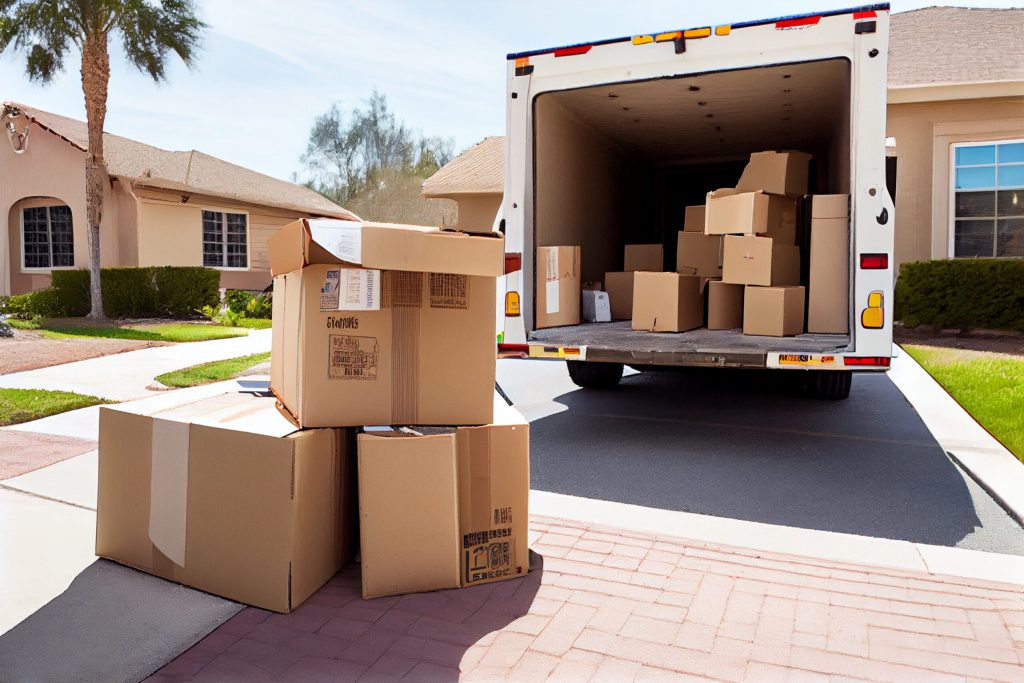
Moving truck is parked on the side of a building loading or unloading cartons. Ai generative
Preparing belongings for professional moving services requires systematic organization and careful planning to ensure efficient transportation and comprehensive item protection. Proper preparation reduces overall moving time, minimizes potential damage risks, and helps professional teams work more effectively during relocation day. This preparation process involves strategic decluttering, organized packing, protecting valuable items, and creating detailed inventories. Systematic packing assists Visalia Movers in maintaining schedules while protecting belongings during transit operations.
Decluttering process steps
A successful preparation begins with systematic decluttering that reduces moving costs while eliminating unnecessary items from the relocation. This process should start at least six weeks before moving day to allow adequate time to donate, sell, or dispose of unwanted belongings. Room-by-room evaluation helps identify items that no longer serve a purpose or hold value in the new location. The decluttering process creates opportunities to reduce moving expenses by decreasing overall shipment weight and volume. Donating items in good condition to charities and selling valuable items at garage sales is possible. Broken or worn-out items should be disposed of properly rather than transported to the new home unnecessarily.
Packing organization methods
Strategic packing organization streamlines the moving process by grouping similar items and creating logical loading sequences for professional movers. Each room should be packed systematically, with clearly labelled boxes indicating contents and destination rooms in the new home. Heavy items belong in smaller containers to prevent injury and damage during transportation.
- Essential items needed immediately after moving should be packed separately and marked
- Fragile items require extra padding with bubble wrap, packing paper, or clothing for protection
- Books and heavy objects should go in small boxes to maintain manageable lifting weights
- Seasonal items can be packed first since they won’t be needed immediately
- Personal documents and valuables should be transported separately by the homeowner
Colour-coding systems or numbering schemes help movers place boxes in appropriate rooms quickly and efficiently upon arrival at the destination.
Pre-move preparation timeline
Successful preparation requires following structured timelines to complete all tasks before moving day arrives.
- Starting preparation eight weeks before the move allows adequate time for decluttering, obtaining supplies, and scheduling necessary services. Last-minute preparation creates stress and increases the likelihood of forgotten tasks or inadequate protection.
- All packing, except daily essentials, should be completed two weeks before moving day to allow final preparations and cleaning. Preparing appliances properly includes cleaning, defrosting, and securing loose parts during transport. Utility disconnection and connection arrangements should be finalized to ensure services are available at the destination immediately upon arrival.
- Final preparation includes confirming moving company details, preparing payment methods, and gathering important documents for easy access during the transition period.
Conclusion
Proper preparation for professional moving services involves systematic decluttering, organized packing, valuable item protection and adherence to structured timelines. These preparation steps ensure efficient moving day operations while protecting belongings from damage during transportation. Well-prepared households enable moving professionals to work more effectively, reducing moving time and costs. Thorough preparation creates successful relocation experiences that minimize stress while ensuring all belongings arrive safely at their new destination.